Comprehensive Guide to Hydraulic Excavator Components for Optimal Construction Performance
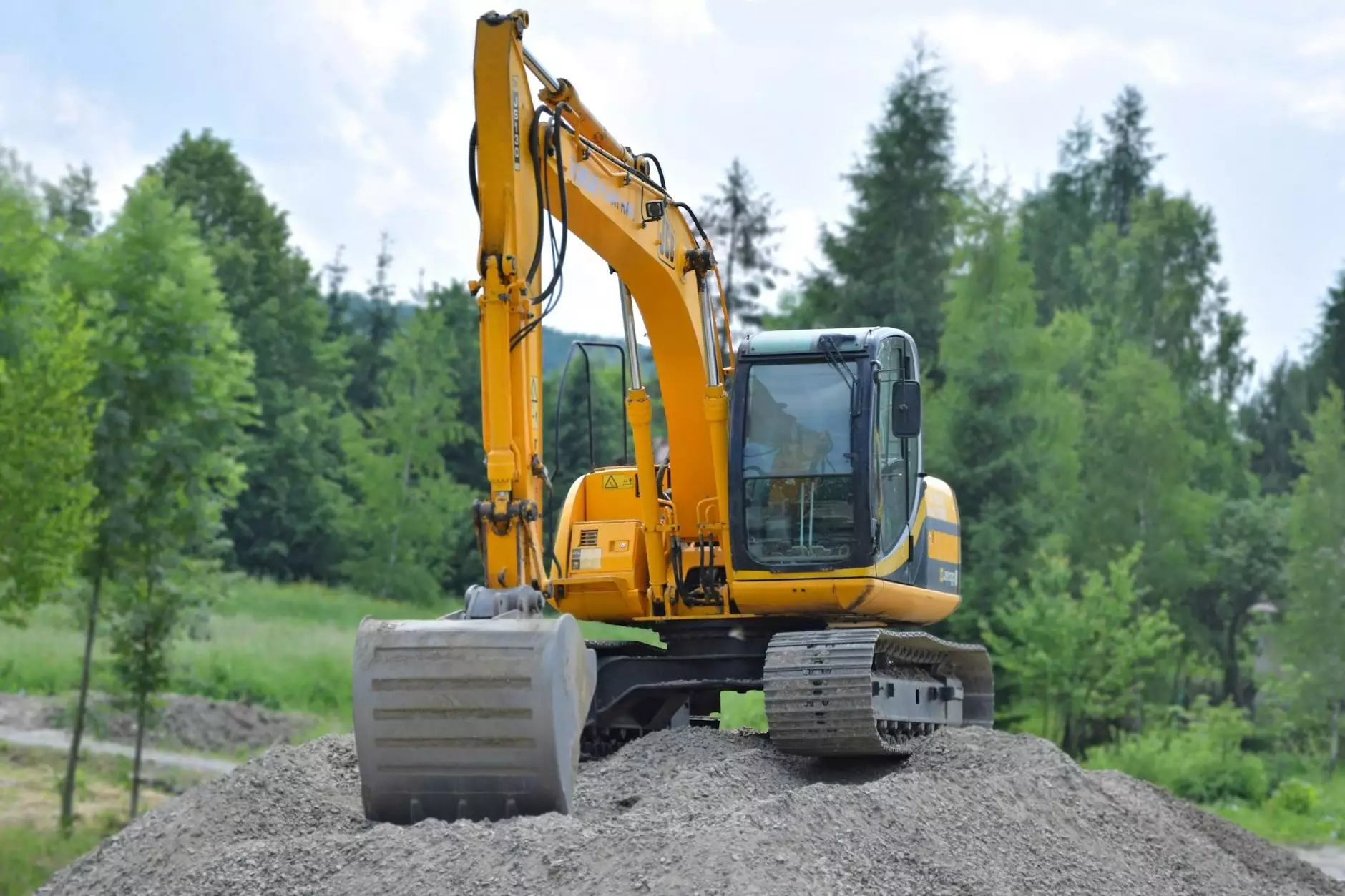
In the realm of modern construction, heavy machinery such as excavators plays a pivotal role in facilitating high-efficiency operations. At the core of these powerful machines are the hydraulic excavator components, which are essential for transforming hydraulic power into precise mechanical movements. Recognizing the significance of these components is vital for contractors, equipment operators, and businesses looking to maximize productivity, reduce downtime, and ensure safety on-site.
Understanding the Importance of Hydraulic Excavator Components
Hydraulic excavator components comprise an interconnected system of parts that work harmoniously to perform tasks such as digging, lifting, loading, and demolition. Each component plays a specialized role, contributing to the machine’s overall operational capability. The significance of these components can be summarized as follows:
- Enhance Efficiency: Properly functioning hydraulic components ensure smooth, precise operations, reducing cycle times and increasing productivity.
- Improve Durability: High-quality components resist wear and tear, extending the lifespan of the excavator and lowering maintenance costs.
- Ensure Safety: Reliable hydraulic systems prevent unexpected failures that can compromise operator safety and project timelines.
- Reduce Operational Costs: Efficient hydraulic components minimize fuel consumption and repair expenses, promoting cost-effective project management.
Fundamental Hydraulic Excavator Components and Their Functions
The hydraulic system of an excavator comprises several essential parts, each vital for ensuring optimal operation. Below is an in-depth overview of these critical hydraulic excavator components:
1. Hydraulic Pump
The hydraulic pump is often described as the heart of the hydraulic system. It converts mechanical energy from the engine into hydraulic energy by pressurizing hydraulic fluid. The pressurized fluid then powers other components such as cylinders and motors. Types of hydraulic pumps include gear, vane, and piston pumps, each chosen based on the required power and efficiency.
2. Hydraulic Cylinders
Hydraulic cylinders are linear actuators that convert hydraulic energy into mechanical motion. They are responsible for moving the boom, arm, and bucket. They consist of a cylinder barrel, piston, and piston rod, working together to provide smooth and controlled movements. High-quality cylinders are built for durability and resistance to external pressures and debris.
3. Hydraulic Valves
Hydraulic valves regulate fluid flow within the system, controlling the direction, pressure, and flow rate of hydraulic fluid. They include directional control valves, pressure relief valves, and flow control valves. Precise valve operation ensures smooth movement of machinery and protects the system from overpressure situations.
4. Hydraulic Reservoir
The reservoir stores hydraulic fluid and aids in removing contaminants and air from the fluid. It also helps in cooling the hydraulic fluid, maintaining optimal operating temperatures. Proper sizing and maintenance of the reservoir are critical for system longevity.
5. Hydraulic Hoses and Fittings
Connecting the system’s components, hoses and fittings must withstand high pressures and resist wear. They facilitate flexible movement and quick replacements, reducing unscheduled downtimes. Material selection (such as synthetic rubber or reinforced hoses) impacts durability.
6. Hydraulic Filters
Filters are vital for removing contaminants from hydraulic fluid, preventing damage to precision components like valves and pumps. Regular maintenance of filters ensures consistent performance and prevents costly repairs due to system contamination.
7. Control Systems
Modern excavators incorporate electronic control systems that enhance precision, safety, and ease of operation. These systems manage the hydraulic components through sensors and actuators, allowing for automation and improved operator feedback.
Innovations in Hydraulic Excavator Components for Enhanced Business Outcomes
The field of hydraulic excavator components has seen continuous innovation aimed at improving efficiency, safety, and environmental compliance. Some notable advancements include:
- Advanced Hydraulic Fluids: Use of biodegradable and temperature-resistant hydraulic fluids that minimize environmental impact and extend component life.
- Electronic Control Modules: Integration of smart control units with diagnostics features for predictive maintenance and minimizing unexpected failures.
- High-Performance Materials: Utilization of lightweight yet durable materials in cylinders and housings to improve fuel efficiency and load capacity.
- Modular Hydraulic Systems: Modular component designs that allow easy upgrades, repairs, and customization based on construction project requirements.
Maintaining Hydraulic Excavator Components for Longevity and Performance
Proper maintenance is paramount for maximizing the lifespan and performance of hydraulic excavator components. Key practices include:
- Regular Inspection: Check for leaks, corrosion, and wear in hoses, fittings, and seals.
- Scheduled Fluid Changes: Replace hydraulic fluid as per manufacturer guidelines to ensure optimal lubrication and cooling.
- Filter Replacement: Change hydraulic filters periodically to prevent contamination buildup.
- Component Testing: Use diagnostic tools to assess the performance of pumps, valves, and cylinders.
- Training Operators: Educate operators on correct handling procedures to avoid undue stress on hydraulic components.
Choosing the Right Hydraulic Excavator Components for Your Business
When selecting hydraulic components, it’s essential to consider factors such as compatibility, quality, and warranty. Reliable suppliers like shophydraulicamerica.com provide a wide selection of OEM and aftermarket parts designed for various excavator brands and models.
- Brand Reputation: Choose brands with proven durability and excellent customer service.
- Component Specifications: Match component specifications precisely to your equipment model.
- Cost Considerations: Balance initial investment with long-term savings through durability and efficiency.
- Availability & Support: Ensure parts are readily available with dependable technical support and warranty coverage.
The Economic Impact of High-Quality Hydraulic Excavator Components
Investing in premium hydraulic components yields significant cost savings by reducing downtime, maintenance costs, and repair expenses. Moreover, reliable components contribute to increased equipment uptime, which directly influences project timelines and profitability. Businesses leveraging high-quality parts also benefit from improved safety profiles, as dependable hydraulic systems minimize the risk of mechanical failures under load.
Conclusion: Unlocking Business Success with Superior Hydraulic Excavator Components
The role of hydraulic excavator components in construction and heavy-duty industries cannot be overstated. They form the backbone of machinery performance, efficiency, and safety. By understanding the functions and maintenance practices of these critical parts, businesses can achieve superior operational outcomes.
Partnering with trusted suppliers—such as shophydraulicamerica.com—ensures access to top-tier components that meet stringent quality standards. Regular maintenance, strategic upgrades, and informed selection of hydraulic parts are fundamental to maximizing your equipment’s lifespan and ensuring your business's continued growth and success.
Maximize your construction machinery’s potential today by investing in high-quality hydraulic excavator components—where durability, efficiency, and safety converge to support your business ambitions.